
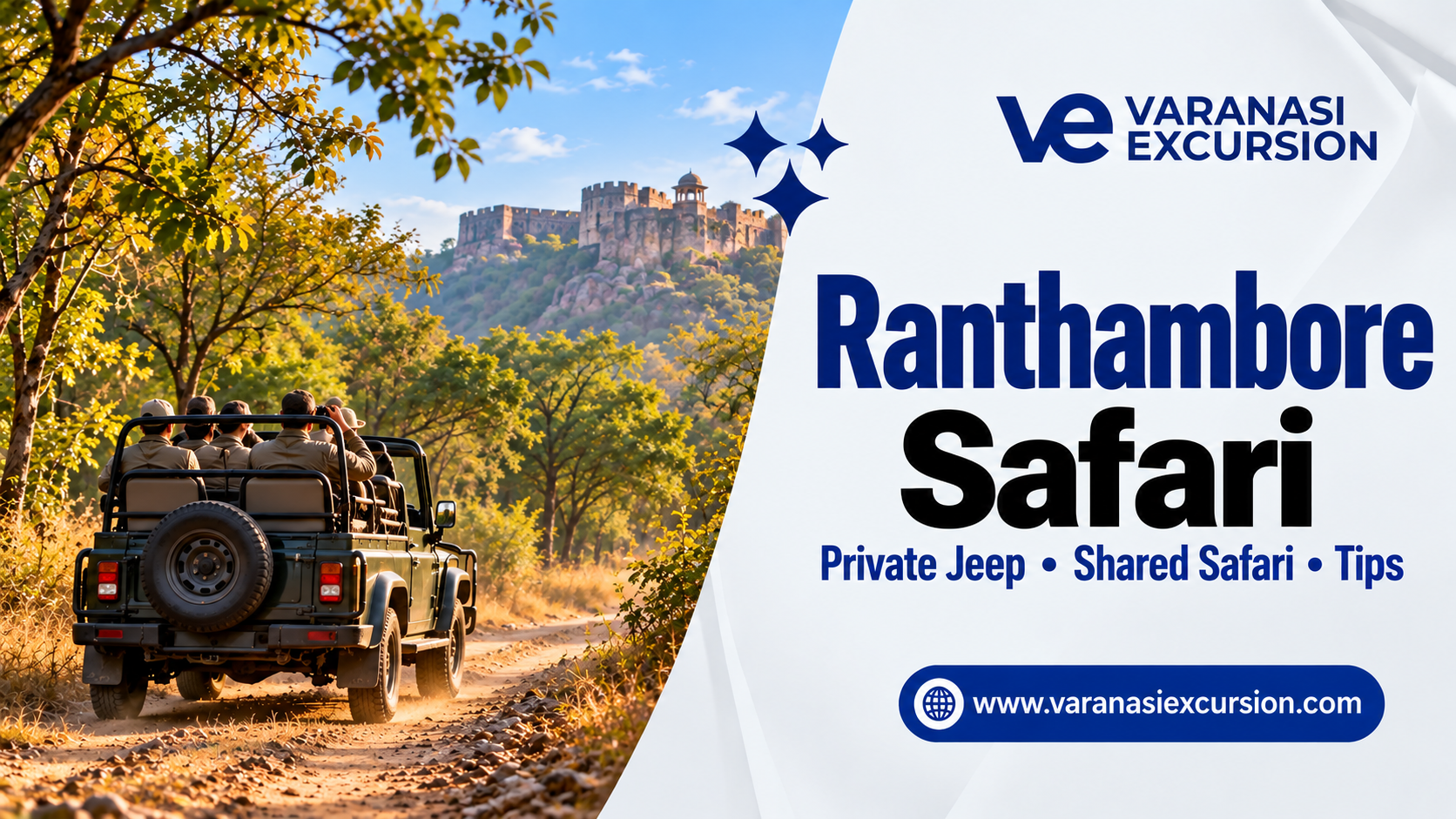
The appeal of a Ranthambore safari goes beyond a tiger sighting. Dry forest, old fort walls, birds and changing light can make the drive memorable even when larger wildlife stays out of view. Your vehicle choice shapes the comfort, pace and price of the experience, especially when Ranthambore is one stop on a Delhi, Agra and Jaipur trip.

Private jeep or shared vehicle?
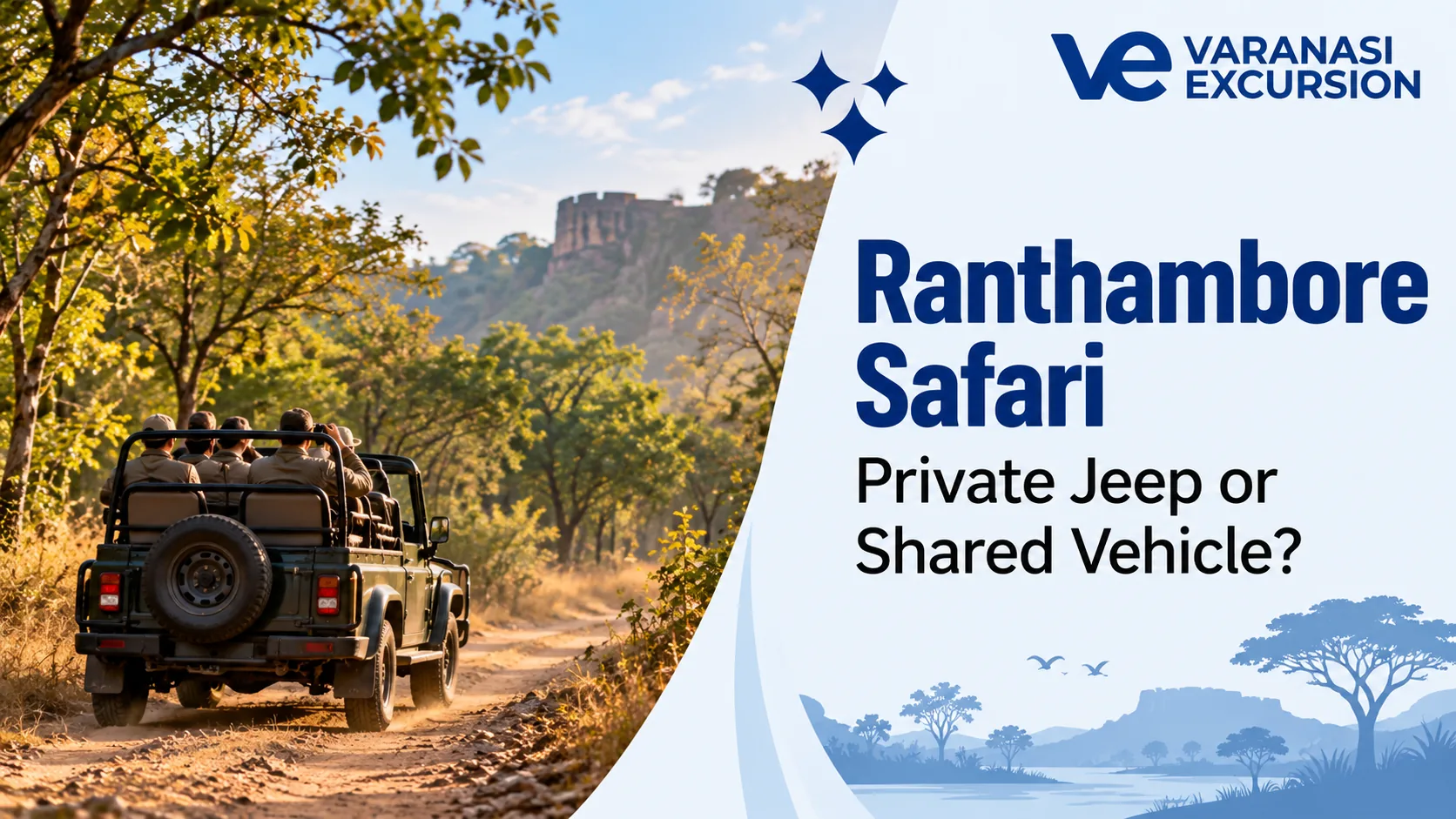
A private jeep keeps your own group together. It can be easier for a couple, family or photographers to settle into a comfortable pace and speak with the guide. A shared vehicle usually costs less per person and suits travelers who are flexible about seating and photography. Both follow the route and rules assigned by the park; paying for a private jeep does not buy access to restricted areas or a particular tiger.
When a private jeep makes sense
- Your family wants to travel together without sharing seats with another group.
- You have a strong interest in birds or photography and prefer a smaller group.
- You want to discuss comfort or mobility needs before booking.
A private vehicle still has a fixed safari slot, guide and park rules. Confirm exactly how many seats your quotation includes and whether the vehicle, entry permits and guide fees are covered.
When a shared safari works well
If budget matters and you are comfortable joining other visitors, a shared option can be an enjoyable first visit. You may have less control over seating and stops. Ask the operator what type of vehicle is booked, where you will be collected, and when you must report. Shared does not mean a guaranteed sighting or a lesser park zone.
Booking and permits: what to confirm
Rajasthan Tourism recommends planning ahead, while the Rajasthan Forest Department provides an official booking route. Rules, seasonal openings, permit availability, entry zones and vehicle categories can change. Ask for written confirmation of the date, time, vehicle type, number of travelers and what your tour price includes before paying.
Never build a holiday around a guaranteed tiger sighting. Wildlife is unpredictable. If your schedule permits, two drives at different times can give you more time in the landscape, though they still cannot promise a particular animal. Keep your expectations centered on a responsible park visit.
How to fit Ranthambore into a Golden Triangle itinerary
A practical route often follows Delhi, Agra, Ranthambore and Jaipur. Sawai Madhopur is the gateway for the park. Travel times vary with road conditions and stops, so a late arrival followed by an early safari can be tiring. Plan a night near the park and confirm the transfer and reporting time before locking in the next hotel.
If you have enough days, allow a full morning for safari and a relaxed afternoon. Do not assume that two transfers, a safari and city sightseeing will comfortably fit into one day. Our eight day Golden Triangle with Ranthambore tour can be adapted around the available safari slot and your travel pace.
Practical tips for your safari morning
- Carry your booking confirmation and the identification required for your permit.
- Wear muted, comfortable clothing and a layer for a cool morning.
- Bring drinking water and protect your camera from dust.
- Listen to the guide, stay in the vehicle where instructed, and never feed wildlife.
- Confirm the current entry rules and season for your specific travel date.
Ranthambore is best enjoyed patiently. Watch for tracks, listen to bird calls and let the guide interpret what you see. That often makes a better memory than racing from one possible sighting to another.
Plan your Ranthambore journey
Tell Varanasi Excursion your dates, group size and vehicle preference. We can suggest a sensible Golden Triangle route and confirm the safari details available for your trip. Call +91 90051 04999 or message us on WhatsApp.
A relaxed seven day route with one safari
Day 1, Delhi: Arrive and settle in. Keep the first evening light if you have traveled far.
Day 2, Delhi: Explore the city with time for both historic sites and a meal at your own pace.
Day 3, Agra: Travel to Agra and visit the Taj Mahal at the time that suits your arrival and ticket arrangements. Leave room for Agra Fort if the day allows.
Day 4, Ranthambore: Continue toward Sawai Madhopur. Check in near the park and confirm your morning reporting point, permit details and identification.
Day 5, safari and Jaipur: Take the assigned morning safari, return for breakfast, and travel onward to Jaipur. If the transfer feels too long, add another night near the park instead.
Day 6, Jaipur: Enjoy a full day in the Pink City rather than squeezing its sights into your arrival evening.
Day 7, departure: Return to Delhi or depart from Jaipur according to your flight plan. A second safari needs an extra night and a confirmed permit.
These are planning blocks, not fixed driving or safari times. The actual park slot and travel conditions determine the order of each day.
Frequently asked questions
Is a private jeep better for seeing tigers?
No vehicle can guarantee a tiger. Choose a private jeep for group comfort and flexibility within park rules, not as a promise of sightings.
How many safaris should I plan?
One drive introduces the park; two provide more time in different light if your itinerary allows. Availability and the permit terms matter more than a fixed number.
Can I choose my safari zone?
Zone requests and allocations depend on the current booking system and availability. Confirm the actual permit rather than relying on a verbal promise.
When should I book?
As early as your dates are firm, especially for busy travel periods. Check the official Forest Department portal for current rules.